| |
 |
| |
|
|
| |
The first step in cleaning your DSLR is to inspect the sensor to determine if it has any debris on it. |
|
| |
|
|
| |
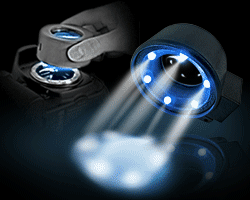
In the past this was a cumbersome task using the 'f/22 test'. Now the most effective way to view any debris on the sensor and within the chamber area is to use the VisibleDust Sensor Loupe® with its BriteVue XL™ technology. |
|
|
Dry Cleaning Method
removal of dry dust contamination (90-99%) |
| This method is used when a dry dust contamination has been detected on the sensor which occurs 90-99% of the time when a contamination has been discovered. |
|
|
|
|
|
Wet Cleaning Method
removal of stain contamination (1-10%) |
| This method is used when a stain has been detected on the sensor which occurs 1-10% of the time when a contamination has been discovered. |
|
|
|
|
|
Arctic Butterfly®
Sensor Brush® |
|
Zeeion®
Blower |
| It is easily removed within minutes with the Arctic Butterfly® Using the specially fabricated SCF technology, dust is effectively drawn from your sensor onto the bristles leaving you with a clean sensor and crystal clear pictures. |
|
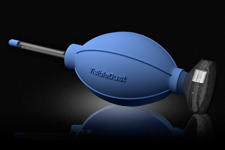
The Zeeion® blower with its weak and selective ion generation capability should be used for sensor dust and sensor static charge removal. It is not designed for surfaces that require high levels of ion production. |
|
|
|
|
Sensor Clean™
green Vswab®
(Ultra MXD-100™) |
|
VDust Plus™ green/orange Vswab®
(Ultra MXD-100™/DHAP™) |
|
Smear Away™
green/orange Vswab®
(Ultra MXD-100™/DHAP™) |
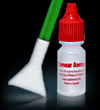
| Water based stains occur when humidity builds up within the chamber area and moisture accumulates on the sensor, or when around very moist areas (waterfalls, rain, etc). |
|
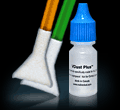
When the nature of the stain is unknown we recommend using VDust Plus™ with our sensor cleaning swabs. VDust Plus™ works great against water based stains and light oil based stains. |
|
Oil based stains occur when lubricant from the camera mechanisms (shutter, mirror) spatter onto the sensor. |

|
|
| |
 |
| |
|
|
| |
The final stage of cleaning your DSLR is to inspect the sensor to determine if it has any debris on it. |
|
| |
|
|
| |
The high quality optical glass used in the SensorLoupe® 7X is coated with MgF2 for sharp crystal clear image in order to reduce chromatic aberrations and to achieve the highest optical resolution possible. The high caliber materials used in construction of the SensorLoupe® provide a high resolution, sharp crystal clear image of the sensor. |
|
|